
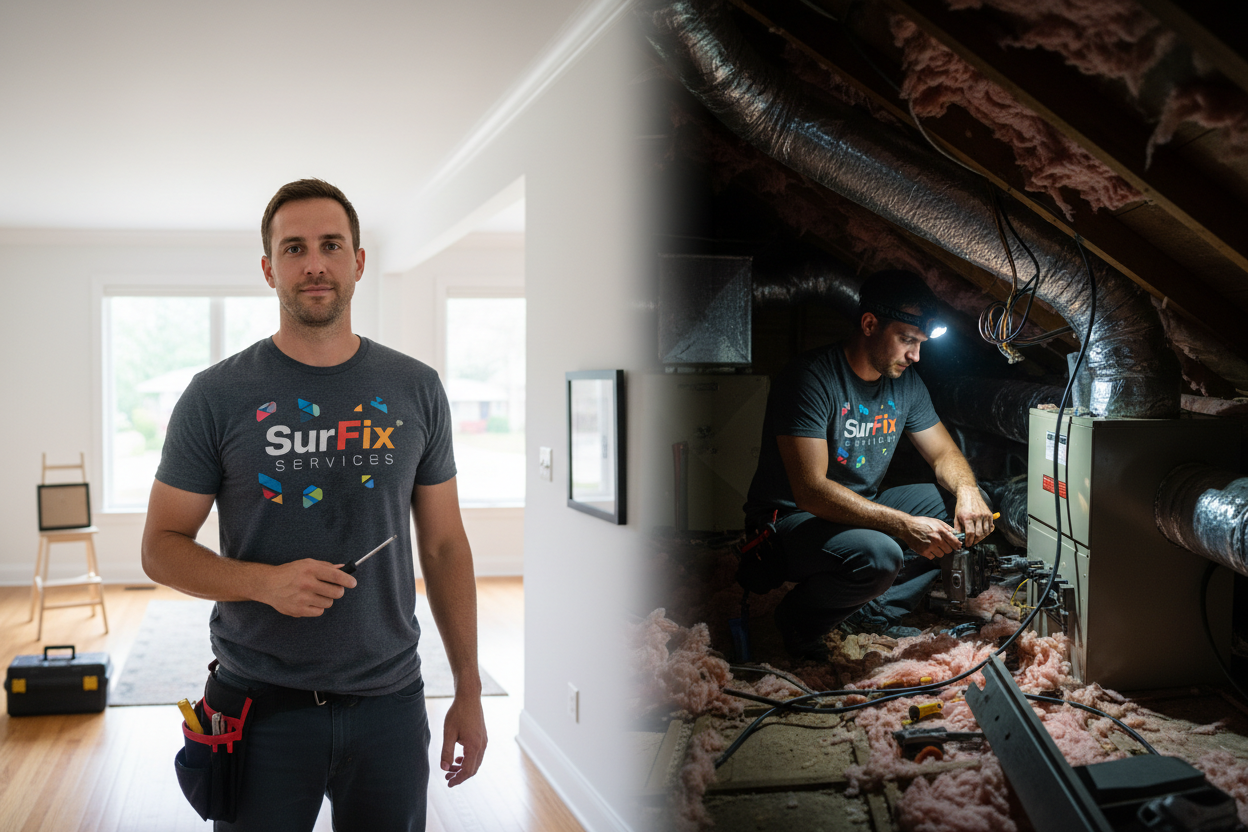
What Most Homeowners Get Wrong About Hiring a Handyman (And How to Avoid Costly Mistakes)
Hiring a handyman sounds simple.
You need something fixed. Someone shows up. Problem solved.
In reality, this is where a lot of homeowners get burned.
Not because handymen are bad — but because expectations aren’t clear, pricing isn’t transparent, and small issues quietly turn into expensive problems.
Let’s break this down honestly.
The Biggest Mistake: Waiting Too Long
Most homeowners don’t call a handyman when something starts acting up.
They call when:
A faucet has been dripping for months
A door has been sticking longer each week
An outlet feels “a little loose”
A small leak suddenly becomes visible
By then, what could have been a simple fix often becomes a bigger repair.
Common examples we see:
Loose fixtures that damage drywall
Minor plumbing leaks that rot cabinets
Unsecured fans or mounts that stress wiring
Small exterior issues that let water in
Preventative maintenance isn’t glamorous — but it’s cheaper. Every time.
Why Pricing Confusion Breaks Trust
One of the biggest frustrations homeowners mention is not knowing what the job will actually cost.
Hourly pricing sounds fair… until:
The clock starts before work begins
Materials aren’t clearly explained
The job takes longer than expected
The final bill doesn’t match the estimate
This is why many homeowners now prefer flat-rate service.
You know the price.
Before the work starts.
No guessing. No pressure.
That clarity builds trust on both sides.
Handyman vs Contractor: Know the Difference
Not every job needs a contractor.
But not every job should be done by a handyman either.
A handyman is ideal for:
Repairs and replacements
Installations and adjustments
Preventative maintenance
Small upgrades and fixes
A contractor is usually required for:
Structural changes
Major remodels
Permitted construction
Large electrical or plumbing projects
A trustworthy handyman will tell you when a job is outside their scope — not push through it anyway.
That honesty matters.
Why “Cheapest” Often Costs More
We’ve seen it plenty of times.
Someone hires the lowest quote.
The work looks fine at first.
Then issues show up weeks or months later.
Common red flags:
No written agreement
No clear scope of work
Rushed jobs
No accountability after completion
Good work costs money.
Bad work costs more.
What You Should Expect From a Professional Handyman
Whether you hire us or not, you should expect:
Clear communication
Transparent pricing
Defined scope of work
Respect for your home
Realistic timelines
No surprise charges
If something feels vague, rushed, or unclear — pause and ask questions.
A professional won’t mind answering them.
Preventative Maintenance Is the Quiet Winner
The homes and businesses with the fewest emergencies have one thing in common:
They don’t wait for things to fail.
Routine maintenance catches:
Wear before it becomes damage
Small leaks before they spread
Loose components before they break
Minor safety issues early
That’s why many property owners choose scheduled maintenance instead of reactive repairs.
It’s calmer. Cheaper. Smarter.
Final Thoughts
Hiring a handyman shouldn’t feel risky or confusing.
When expectations are clear and pricing is transparent, the relationship works the way it should:
Problems get solved
Homes stay in good shape
Stress stays low
If you’re looking for repairs, maintenance, or long-term care for your property, make sure you work with someone who values clarity as much as craftsmanship.
That’s how trust is built — job by job.
Ready to Learn More?
You can explore our services and maintenance options to see how we approach repairs with transparency and long-term care in mind.
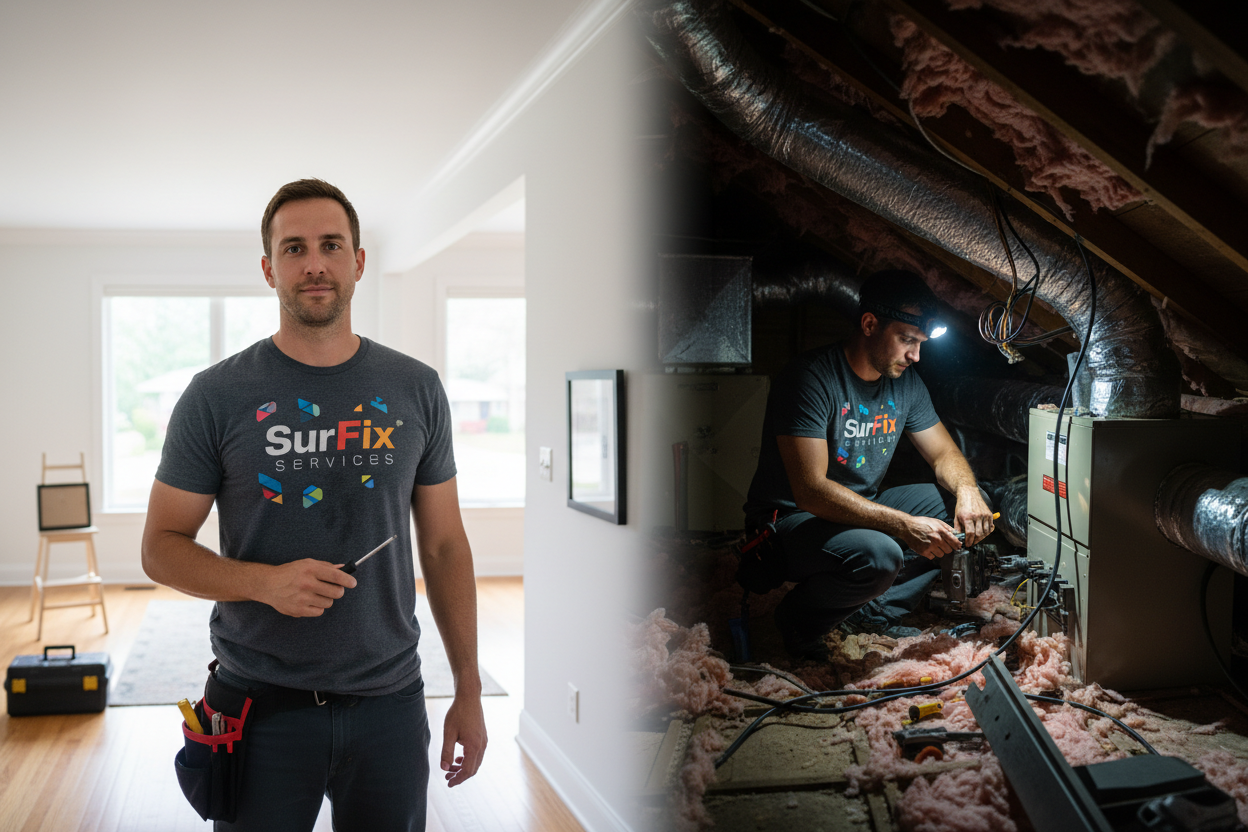
Flat-Rate vs Hourly Handyman Pricing: What Homeowners Should Know Before Hiring
One of the first questions homeowners ask when hiring a handyman is simple:
“How much is this going to cost?”
Unfortunately, it’s also where a lot of frustration starts.
Understanding the difference between hourly pricing and flat-rate pricing can save you money, stress, and uncomfortable conversations later. Let’s walk through it clearly.
Why Pricing Confusion Is So Common
Most homeowners don’t hire a handyman every week.
So when pricing isn’t explained upfront, it’s easy to feel unsure.
Common complaints we hear:
“I didn’t realize the clock started that early.”
“The job took longer than I expected.”
“The final bill was higher than the estimate.”
“I felt rushed to approve extra work.”
None of those experiences build trust — and none of them should be normal.
How Hourly Pricing Works (Pros & Cons)
Hourly pricing sounds straightforward, but it comes with tradeoffs.
✔ Pros
Simple to understand on paper
May work for very small or clearly defined tasks
✖ Cons
Final cost isn’t always clear upfront
Time estimates can vary
Efficiency can feel like it’s working against you
Homeowners may feel pressure as the clock runs
For some jobs, hourly pricing makes sense.
For many homeowners, it creates uncertainty.
How Flat-Rate Pricing Works (And Why People Prefer It)
Flat-rate pricing means the cost is agreed on before work begins.
You know:
What’s included
What it costs
What to expect
There’s no watching the clock.
No guessing how long something “should” take.
Why homeowners like it:
Predictable costs
Clear scope of work
Easier budgeting
Less stress during the job
Flat-rate pricing shifts the focus back to the result — not the time.
When Flat-Rate Pricing Makes the Most Sense
Flat-rate pricing works especially well for:
Common repairs
Installations
Preventative maintenance
Routine service calls
These are jobs with known steps, known materials, and known outcomes.
That consistency benefits everyone involved.
The Real Key: Clear Communication
Pricing models matter — but clarity matters more.
Before hiring anyone, you should feel comfortable asking:
What’s included?
What’s not included?
What happens if something unexpected is found?
Will the price change?
A professional handyman won’t avoid these questions.
They’ll welcome them.
Why Transparent Pricing Builds Better Relationships
When pricing is clear:
Homeowners feel respected
Work goes smoother
Decisions are easier
Trust builds naturally
Good service isn’t just about fixing things.
It’s about removing uncertainty.
Final Thoughts
There’s no single “right” pricing model for every situation.
But there is a right approach:
Be clear
Be honest
Set expectations upfront
Whether you choose hourly or flat-rate service, make sure you understand how the pricing works before the job begins.
That simple step prevents most problems before they ever start.
Want to Learn More?
If you’re comparing service options or planning upcoming repairs, reviewing available service and pricing options ahead of time can help you choose what fits your needs best.

Preventative Maintenance: How Small Repairs Save Homeowners Thousands Over Time
Most costly home repairs don’t start as emergencies.
They start as small, easy-to-miss issues:
A slow drip under a sink
A door that doesn’t close quite right
A fan that wobbles a little more each month
A crack that wasn’t there last season
Individually, these don’t feel urgent.
Over time, they add up.
That’s where preventative maintenance matters.
What Preventative Maintenance Really Means
Preventative maintenance isn’t about fixing what’s broken.
It’s about addressing what’s starting to wear.
This includes:
Tightening loose fixtures
Catching minor leaks early
Adjusting doors, cabinets, and hardware
Replacing worn components before failure
Identifying safety concerns before they become hazards
Small actions. Big impact.
Why Small Issues Turn Into Expensive Repairs
Homes naturally shift, settle, and age.
When minor problems are ignored, they don’t stay minor.
Common examples:
A slow leak rots cabinets and subflooring
A loose fan stresses wiring and mounting points
A sticking door damages frames and hardware
Minor exterior gaps allow moisture inside
By the time the damage is visible, repairs are no longer simple.
The Cost Difference Is Bigger Than Most People Expect
Preventative repairs are usually:
Quicker
Less invasive
Less expensive
Easier to schedule
Emergency repairs are often:
More complex
More disruptive
Time-sensitive
Costlier
The difference isn’t just money — it’s stress.
Why Routine Maintenance Creates Peace of Mind
Homeowners who stay ahead of repairs tend to:
Experience fewer emergencies
Budget more predictably
Make better repair decisions
Feel more in control of their property
Maintenance doesn’t remove all surprises — but it reduces them dramatically.
Preventative Maintenance Isn’t Just for Old Homes
Newer homes benefit just as much.
Why?
Builder-grade hardware wears faster
Settling happens early
Installations aren’t always perfect
Small adjustments early prevent future issues
Waiting until something fails is rarely the best option.
When Preventative Maintenance Makes the Most Sense
It’s especially helpful if you:
Own rental property
Manage multiple units
Plan to stay in your home long-term
Want predictable repair costs
Prefer fixing problems before they escalate
In these cases, routine maintenance isn’t an expense — it’s protection.
The Key Is Having a Clear Plan
Preventative maintenance works best when:
Inspections are consistent
Repairs are prioritized logically
Expectations are clear
Costs are transparent
Random fixes help.
Planned maintenance helps more.
Final Thoughts
Most major repairs start small.
The homeowners who avoid costly surprises aren’t lucky — they’re proactive.
Addressing minor issues early keeps homes safer, more comfortable, and less expensive to maintain over time.
Preventative maintenance isn’t about doing more work.
It’s about doing the right work at the right time.
Want to Stay Ahead of Repairs?
Reviewing available maintenance and service options can help you plan repairs before they turn into bigger problems.
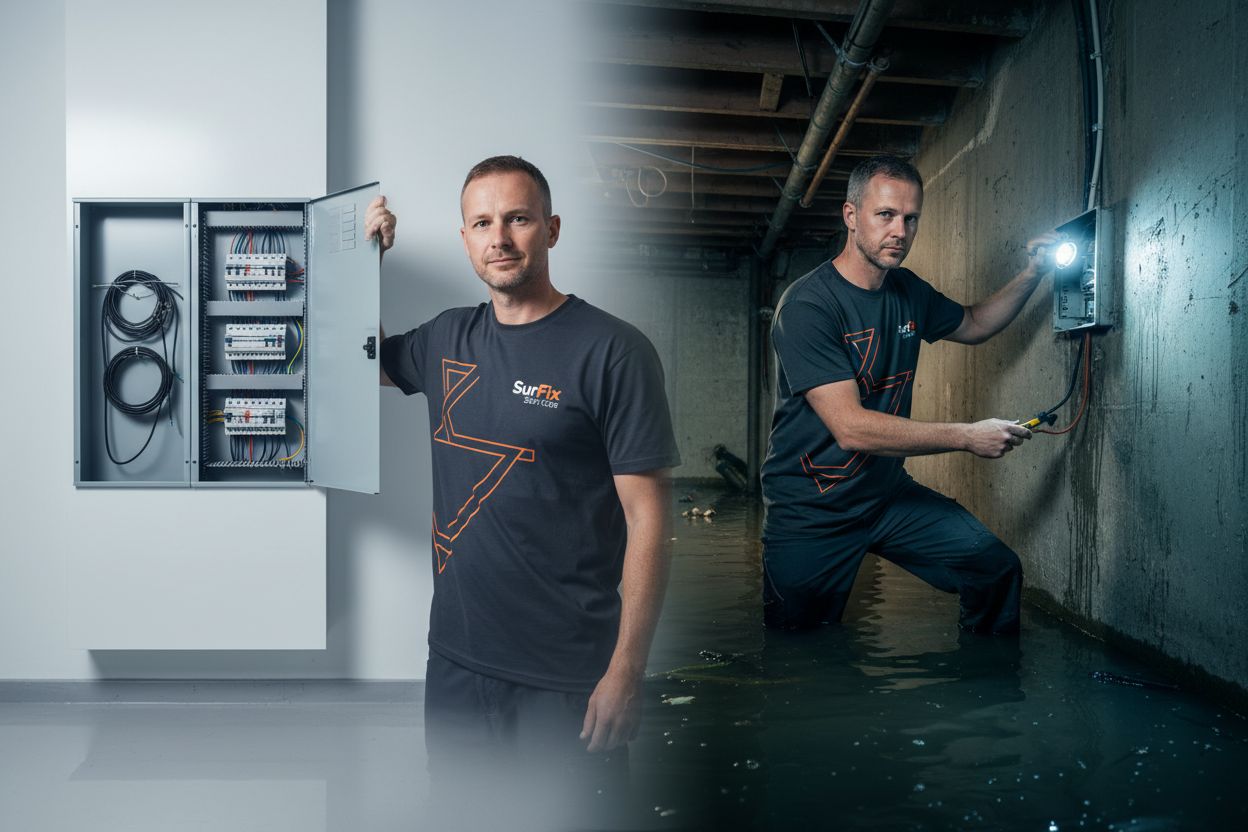
When to Call a Handyman vs a Contractor: A Clear Guide for Homeowners
One of the most common questions homeowners have is also one of the most confusing:
“Do I need a handyman, or do I need a contractor?”
Calling the wrong one can mean:
Overpaying
Delays
Work being turned down
Or being told to “call someone else”
This guide clears it up — plainly and honestly.
The Core Difference (Simple Explanation)
The difference isn’t skill.
It’s scope.
A handyman handles repairs, adjustments, and installations.
A contractor handles structural, permitted, or large-scale work.
Knowing which one you need saves time and money.
When a Handyman Is the Right Choice
A handyman is usually the right fit for:
General repairs
Fixture replacements
Small plumbing or electrical tasks
Door, cabinet, and hardware issues
Mounting TVs, shelves, or fixtures
Preventative maintenance
These jobs are:
Clearly defined
Non-structural
Often completed in one visit
For most homeowners, this covers a large percentage of common needs.
When You Likely Need a Contractor
A contractor is typically required for:
Structural changes
Room additions or remodels
Work requiring permits
Major electrical or plumbing changes
Load-bearing walls
Roofing or foundation work
These projects involve inspections, permits, and multiple trades.
A professional handyman will tell you when a job crosses that line.
Why Hiring the Right One Matters
Hiring a contractor for a handyman-level job often means:
Higher cost
Longer timelines
Less flexibility
Hiring a handyman for contractor-level work can mean:
Code issues
Safety concerns
Work being stopped
Costly corrections later
The goal is the right professional, not just the fastest appointment.
The Trust Factor Most People Miss
A trustworthy service provider will:
Be clear about what they do and don’t handle
Set expectations upfront
Decline work that’s outside their scope
Help point you in the right direction if needed
If someone says “yes” to everything, that’s a red flag.
How This Impacts Cost and Scheduling
In general:
Handyman work is faster to schedule
Costs are more predictable
Projects are smaller and focused
Contractor projects:
Take longer to plan
Involve more steps
Require approvals or permits
Understanding this upfront prevents frustration.
Final Thoughts
Most homeowners don’t need a contractor for everyday repairs.
But some projects truly require one.
Knowing the difference helps you:
Avoid overpaying
Get work done faster
Protect your home
Choose confidently
The right professional won’t just do the work — they’ll help you make the right call.
Not Sure Which You Need?
Reviewing available service options can help you decide whether a handyman is the right fit for your project.